Deadside Cheats — Avoiding Bans Deadside Anti Cheat Explained
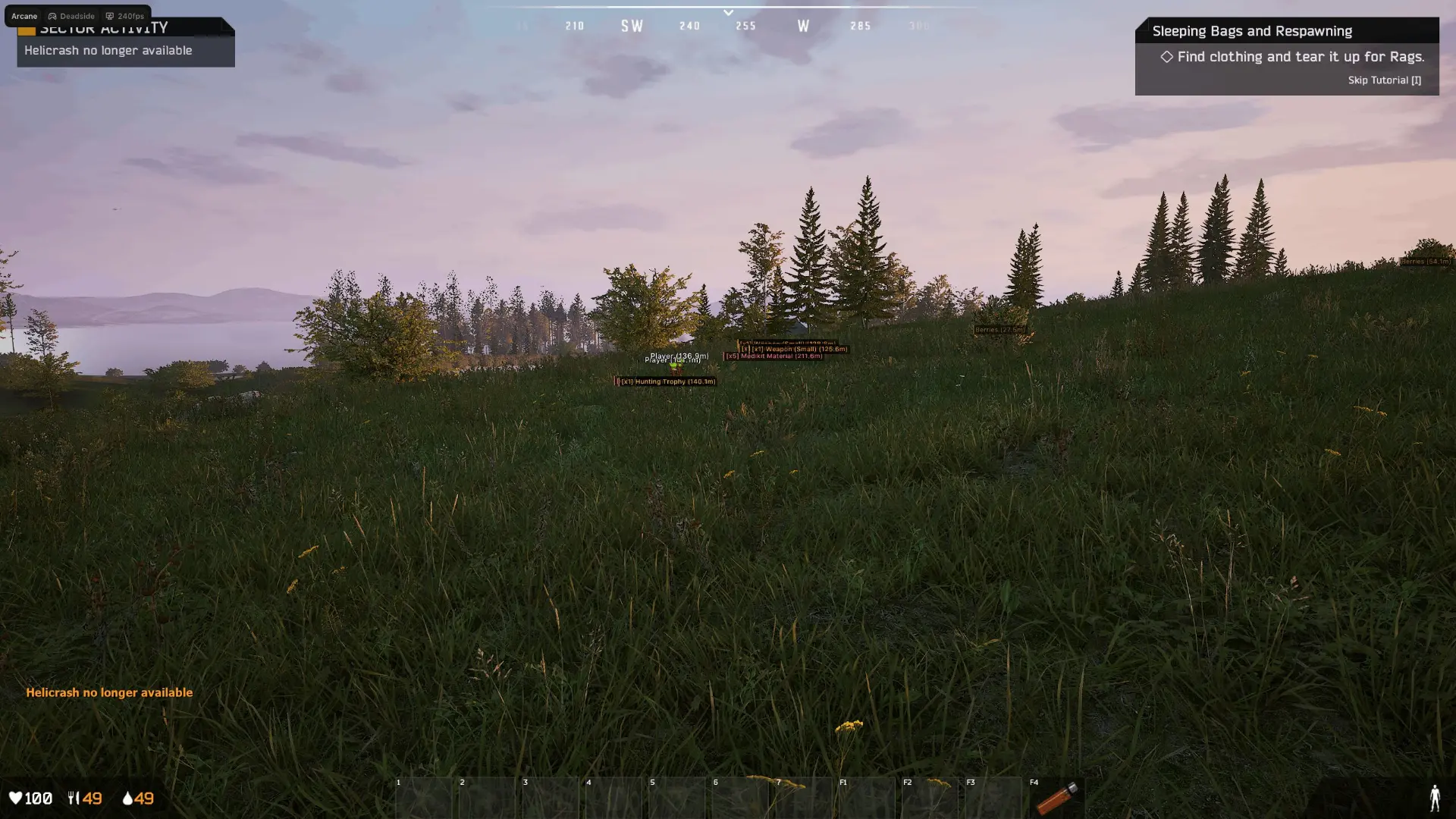
Frame cost scales with what you draw. Cap ranges, disable categories you never act on, and the overlay costs almost nothing.
Save more than one profile and bind a key. Swapping between a extraction runs setup and a heli crash looting setup mid-session should not need a restart.
What gets people banned, in order
Filters exist because not every category is worth drawing. Hide what you never act on, keep hunting trophies and AI bandits, and it starts feeling like information rather than decoration.
Not every patch matters. Cosmetic and balance updates usually change nothing; engine and anti-cheat updates are the ones to watch.
Payment first, then the loader and your key appear in your account area. The whole first run is closer to five minutes than an afternoon.
Change one slider at a time. Changing five and deciding it feels better tells you nothing you can reproduce next session.
Support quality shows up on patch day
Most fights in PVP hotspots are decided before the first shot, by whoever knew more. That is the part an overlay genuinely changes.
Hitbox selection changes more than people expect. Centre mass is forgiving and unremarkable; head selection is far stronger and far more noticeable in convoy raids.
Account age, hours played and purchase history all affect how much scrutiny a profile attracts. A fresh account running maxed settings is the worst possible combination.
When Deadside patches, offsets move. The build goes offline first and returns rebuilt, and that ordering is deliberate rather than a delay.
What separates a good Deadside tool from a bad one
Player ESP draws other players through geometry with a distance readout, so you know whether a contact is a threat now or in ten seconds. In extraction runs that difference decides whether you hold or reposition.
Range limits separate a usable overlay from noise. Cap it at the distance your weapons actually matter at and the screen stops fighting you for attention.
The status page updates before the queue is safe, so it is worth actually checking rather than assuming.
Pairing it with corpse ESP gives you both the position and the state of a contact, which is usually what you need to decide whether a push is on.
First launch, step by step
Free tools are free because you are the product, the build is stale, or both. On a kernel-protected title that is an expensive way to save money.
Colour, thickness and fill are configurable per category, which matters on bright maps where a default palette washes out completely. Two minutes on contrast pays for itself.
Every tier ships the same modules; length is the only difference. Nothing is held back to upsell you later.
Third parties and how to see them coming
Keep the order reference somewhere you can find it. It is the fastest route through support if activation fails.
Bone selection does not snap to a target. It closes the last few degrees, and how fast it closes them is the single setting that decides whether you look like a good player or an obvious one.
Aim on NPC bandits covers the cases aim on NPC bandits does not, so in practice the two get configured together rather than treated as alternatives.
Turn the assist off between fights. A key you hold is much less conspicuous than an always-on lock, and it keeps your own aim honest.
How the visibility check behaves on a live target
Feature lists are cheap to write. What separates providers is how fast a build returns after EAC moves, and you can only judge that from track record.
Per-loadout profiles are worth the setup time, because the curve that feels right up close is wrong at distance. Save two, bind a key, and stop compromising between them.
What each licence length actually gets you
Knowing when to leave is a skill; having the information to make that call is what the toolkit actually provides.
Read the refund terms before buying rather than after. Digital delivery narrows what is refundable, and that is normal across the category.
Who this is for, and who it is not
Start lower than you think you want. Almost everyone raises these values after a few sessions; almost nobody lowers them after getting flagged.
A realistic turnaround is hours rather than minutes, and occasionally longer when EAC itself changes instead of just the game.
The mistake most people make is turning everything on. Every category you enable competes for attention mid-fight, and a trimmed overlay is read far faster than a full one.
Not every patch matters
Load the game first, confirm in the menu, then adjust. Trying to configure everything before you can see the result just wastes a session.
Presets for heli crash looting versus convoy raids
The overlay needs borderless or windowed mode to composite correctly. Exclusive fullscreen is the second most common reason someone sees nothing at all.
The short licence exists so you can find out whether the feature set suits how you actually play before committing to anything longer.